
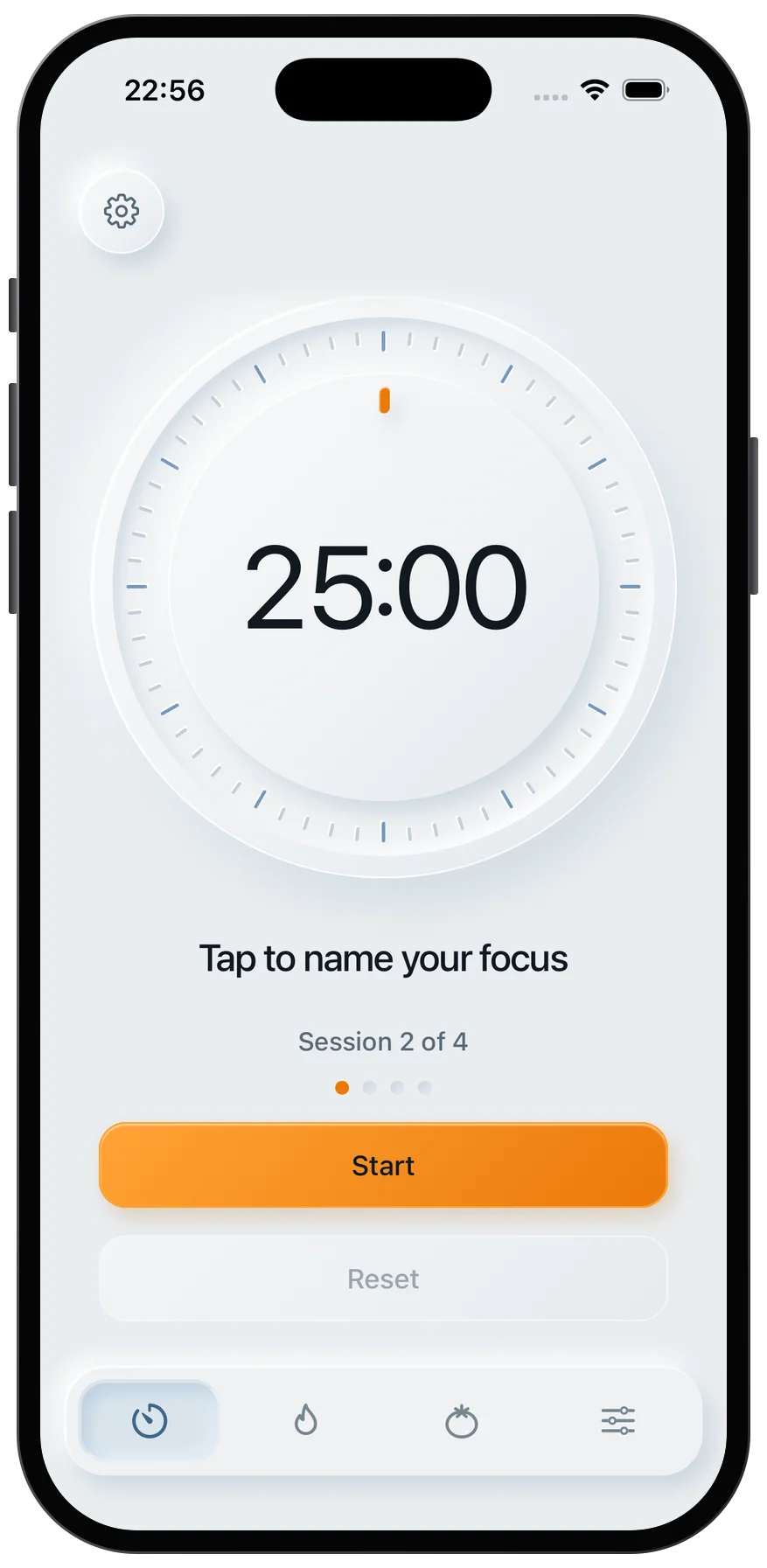
I start with one task, 25 minutes of study, and a 5-minute break - not the whole assignment.
Here’s the plan I follow:
- Get ready: Write down a small task with a clear finish point, gather materials, and silence notifications.
- Start studying: Set the timer for 25 minutes. Test what I remember, answer practice questions, and check my work if I finish early.
- Handle distractions: Jot down unrelated thoughts, then return to the task.
- Take a break: Step away for 5 minutes, then note what I finished and decide whether to stop or repeat.
My goal is one completed interval. I don’t have to finish the whole assignment for the session to count.
Choose a Task and Set Up Your Study Timer
Pick 1 Task With a Clear Finish Point
Write down one task with a clear finish point. Pick something you can reasonably finish in 25 minutes. For example:
Review pages 12–13, mark five key terms, and answer questions 1–3.
Write the task on paper, then keep only what you need within reach: those pages, the practice questions, and a pen. Add a calculator only if the assignment calls for one.
Limit Distractions and Set 25 Minutes
Remove easy interruptions. Silence notifications, put your phone in a backpack or across the room, and close unrelated tabs and apps. Even notifications you ignore can interrupt your attention.[1]
Once your materials are ready, set Focus to 25 minutes. If you need sound, test the alarm at a comfortable volume. Keep the timer tab open, turn on sound, and press Start to begin your session.
How to Use the Pomodoro Technique
Start the Focus Timer and Study Until It Rings
Press Start and get straight to work:
Review class notes and answer a few practice questions.
Read a short section, close your notes, and explain the main idea in your own words. Then check the text and mark any terms, definitions, or examples you missed.
Attempt each practice question from memory first. If you get stuck, write down the first step or what’s confusing you. Then move to the next question - not a different task.
Finished early? Use the remaining time to check your work. Compare your answers with your course materials, fix mistakes, and retry missed questions without looking at the solution. You can also write a two- or three-sentence summary from memory. Stick with the same task until the alarm sounds.
Note Distractions and Return to Your Task
Losing focus doesn’t mean the interval was a failure. If an unrelated thought pops up, jot it down in a few words. Keep the timer running and return to the exact paragraph or question where you stopped. Take one small next step:
Read the next paragraph, define one term, or attempt the first step of one problem.
Handle urgent or safety-related interruptions right away. Let anything else wait. When the timer rings, stop where you are and take your five-minute break.
Take a 5-Minute Break, Then Check Your Progress
When the timer rings, go straight to your break. Select Short break and start the five-minute countdown. Turn on the optional alarm if you’d like a sound reminder.
Step Away From Your Study Materials
Stand up, stretch, drink water, or rest your eyes by looking across the room. Pick an activity with a clear stopping point. Skip social media, videos, and games - they can make it harder to return on time.
Review Your Work and Decide Whether to Continue
After your break, return to the original task before deciding whether to keep going. Check what you finished and write down the details:
reviewed two pages of class notes and answered two of three practice questions
If you’ve reached the task’s finish point, mark it complete in Quiet Pomodoro. If there’s still work left, choose one small next action. You can stop here or start another 25-minute focus interval.
Conclusion: Keep the Study Cycle Simple
After your first interval, stick with the same rhythm: choose one task, set a 25-minute timer, and study until it rings. Write down distractions, then get back to your task. Take a 5-minute break, then review what you finished.
One completed interval counts as success. You can stop there and use what you completed to plan your next session.
FAQs
What if I can’t focus for 25 minutes?
If 25 minutes feels too long, try 15 minutes of focused work followed by a 5-minute break. Split your task into small, specific steps that fit within that shorter study block.
You can set the timer anywhere from 1 to 120 minutes in your settings. Test different intervals to find a pace that works for you.
Should I restart after an urgent interruption?
If an urgent interruption needs your attention right away, pause or reset the timer. Resetting the timer or switching modes means the unfinished interval won’t count as completed. If the interruption can wait, add the task to your list and keep working.
If interruptions happen often, try making your next task smaller or changing your surroundings to help you focus.
How many study intervals should I do?
Each cycle has four 25-minute study intervals. Take a 5-minute break after each of the first three intervals, then a longer, 15-minute break after the fourth.
For your first study session, try one cycle. Then stop or decide whether you’d like to start another.